Overhead cranes play a crucial role in modern industrial operations, especially in steel structure workshops where heavy materials and components must be lifted, transported, and positioned with precision. The capacity of an overhead crane – essentially the maximum weight it can lift – has a profound impact on various aspects of workshop design. Selecting the appropriate crane capacity is not merely a matter of operational efficiency; it directly affects structural integrity, safety, workflow, and long-term maintenance costs. This article explores the effects of overhead crane capacity on steel structure workshop design, focusing on structural considerations, layout planning, foundation design, safety measures, and cost implications.
Understanding Overhead Crane Capacity
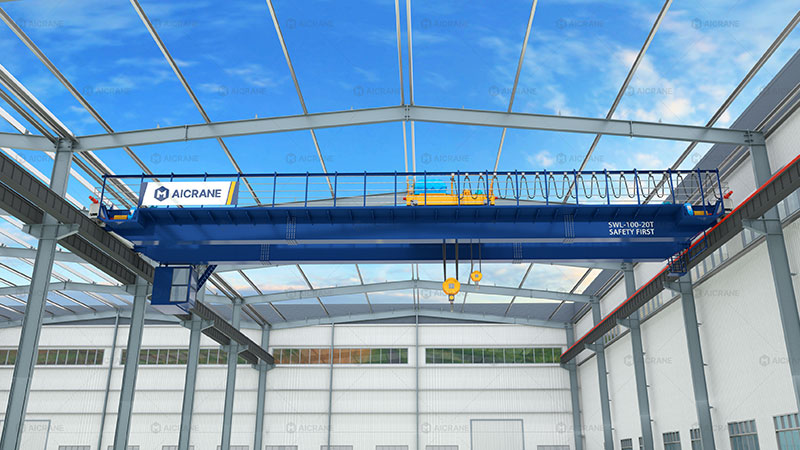
Overhead crane capacity refers to the maximum weight that a crane can safely lift and transport. It is typically measured in tons and can vary significantly depending on the crane type, such as single-girder or double girder overhead cranes, and the specific operational requirements of the workshop. Crane capacity is influenced by several factors, including hoist type, beam strength, runway rail design, and the intended duty cycle of the crane.
In a steel structure workshop, choosing the wrong crane capacity can result in structural stress, unsafe working conditions, and reduced operational efficiency. Therefore, understanding the relationship between crane capacity and workshop design is essential for engineers, designers, and facility managers.
Structural Considerations
The most direct impact of crane capacity on workshop design is on the structural elements of the building. High-capacity cranes impose significant loads on the steel framework, including the columns, beams, and roof trusses. For example, a 50 ton overhead crane generates higher concentrated loads on the runway beams compared to a 10-ton crane. These loads are transmitted to the columns and foundations, which must be designed to withstand both vertical and horizontal forces.
-
Column and Beam Design: Taller and heavier columns may be necessary for workshops designed to accommodate heavy-duty cranes. Beam sizes, including the crane runway girders, must be calculated based on the maximum load the crane will impose. Inadequate beam design can lead to deflection, bending, or even structural failure.
-
Roof Truss Reinforcement: Overhead cranes are typically mounted at or near the top of the workshop. The trusses supporting the roof must account for the dynamic forces created during crane movement, including acceleration, deceleration, and the swinging of heavy loads.
-
Deflection Limits: Engineers must ensure that structural deflection does not exceed acceptable limits. Excessive deflection can compromise crane operation accuracy and increase wear and tear on the crane components.
Workshop Layout and Space Planning
Crane capacity also significantly influences workshop layout. Heavier cranes generally require wider spans and greater clearance heights, which affects the overall footprint of the building. When designing a steel structure workshop:
-
Crane Span: Higher-capacity cranes often need double-girder systems with longer spans to accommodate large loads. This affects column spacing and the arrangement of workstations beneath the crane.
-
Lifting Height: Taller cranes may necessitate increased roof height to maintain safe lifting clearances. Workshop design must allow sufficient vertical space for the crane hook, lifting operations, and the safe passage of personnel and equipment.
-
Operational Workflow: The size and weight of loads that a crane can handle influence the positioning of machinery, storage racks, and assembly lines. Proper layout planning ensures that materials can be transported efficiently without causing congestion or safety hazards.
Foundation and Runway Design
The capacity of an overhead crane directly impacts the design of foundations and runway systems. High-capacity cranes exert substantial loads on the crane rails, which are transmitted to the foundation and, ultimately, the ground.
-
Runway Beams and Rails: Runway beams must be designed to resist bending and shear forces caused by crane loads. Heavier cranes require stronger rails, which often means larger steel sections and additional reinforcement.
-
Anchor Bolts and Foundations: The foundation must accommodate not only vertical loads but also horizontal forces generated by crane acceleration, braking, and load swinging. Foundations for heavy-duty cranes may require deeper footings, reinforced concrete pads, or even pile foundations in weak soil conditions.
-
Dynamic Load Considerations: Overhead cranes create dynamic loads that vary during operation. Workshop designers must account for vibration, impact, and fatigue, especially for high-capacity cranes that frequently lift heavy loads.
Safety Implications
Safety is a critical factor influenced by crane capacity in steel structure workshops. Using a crane beyond its designed capacity or underestimating the effects of load forces on the building structure can lead to catastrophic accidents.
-
Structural Safety: Overloading can cause structural failure of beams, columns, or crane runways. Ensuring that the building is designed for the intended crane capacity minimizes the risk of accidents.
-
Operational Safety: Large overhead cranes often require advanced safety features, such as anti-sway devices, overload protection, and emergency brakes, which must be considered during workshop design and crane integration.
-
Personnel Safety: Proper clearance heights, fall protection, and safe pathways around the crane area are essential for preventing injuries, particularly in workshops handling very heavy materials.
Cost and Investment Considerations
The choice of crane capacity also has financial implications for steel structure workshops. High-capacity cranes generally increase initial construction costs due to the need for larger structural members, stronger foundations, and more complex installation procedures. However, selecting the appropriate capacity can improve operational efficiency, reduce material handling time, and lower long-term maintenance costs.
-
Initial Costs: Taller roofs, wider spans, and reinforced foundations increase steel and concrete requirements. The cost of heavy-duty crane equipment is also higher.
-
Operational Efficiency: A correctly sized crane reduces the need for multiple smaller cranes, streamlines workflow, and minimizes downtime, which can offset higher initial costs.
-
Maintenance Costs: Adequately designed structures reduce wear on crane components and minimize structural fatigue, lowering long-term repair and maintenance expenses.
Conclusion
The capacity of an overhead crane has far-reaching effects on the design and construction of steel structure workshops. From structural integrity and layout planning to foundation design, safety, and cost considerations, every aspect of workshop design must account for the crane’s lifting capabilities. Designers and engineers must carefully assess operational requirements, material weight, and workflow needs to select the appropriate crane capacity. A well-designed steel structure workshop that properly integrates overhead cranes ensures safe operations, efficient material handling, and long-term reliability, ultimately providing better value and productivity for industrial operations.