Hot mix plant manufacturers play a crucial role in municipal roads construction by optimizing key structural modules of asphalt production. This optimization not only ensures the stability and quality of hot mix asphalt mixtures but also keeps the overall asphalt plant price in check. This article explores how manufacturers balance these concerns, focusing on design efficiency, material quality, and cost management strategies essential for successful municipal road engineering.
Streamlining Design Efficiency
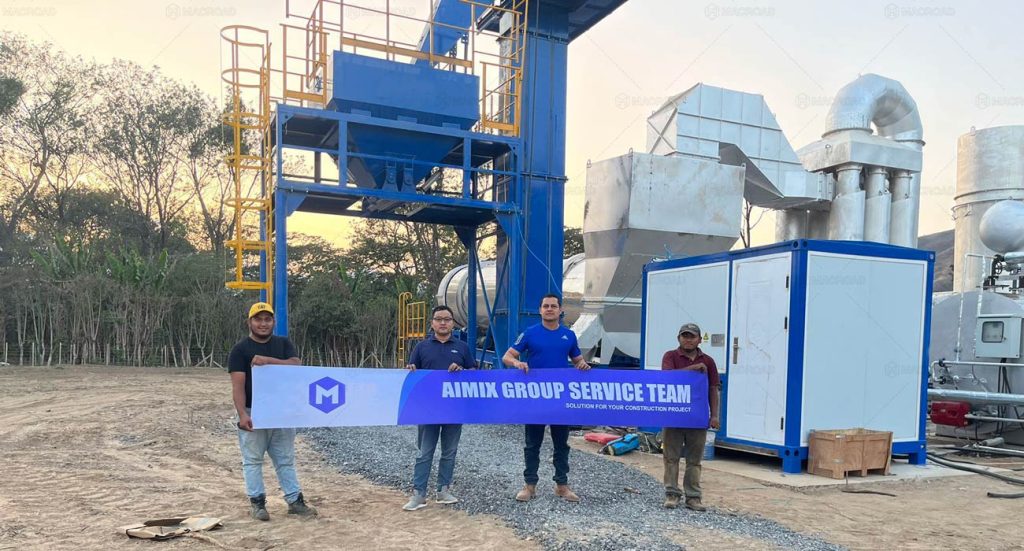
One of the primary ways hot mix plant manufacturers optimize asphalt production is through streamlined design efficiency. Manufacturers focus on creating modular equipment that can easily adapt to varying production needs while maintaining high-quality output. By developing standardized components, manufacturers can reduce manufacturing complexity, thereby lowering production costs.
Modular designs allow for easier upgrades and maintenance, making it feasible for municipalities to implement improvements without the need for complete equipment replacements. Such adaptability not only preserves the quality of hot mix asphalt mixtures but also supports ongoing compliance with industry standards. Manufacturers can continually update specific modules based on technological advancements or project-specific requirements without incurring excessive costs.
Additionally, integrating advanced automation and control systems into the design enhances operational efficiency. These systems enable precise monitoring of production parameters, allowing manufacturers to maintain consistent quality in the asphalt mix. By optimizing the production process, manufacturers can deliver superior asphalt for municipal roads while controlling the overall asphalt plant price.
Enhancing Material Quality Control
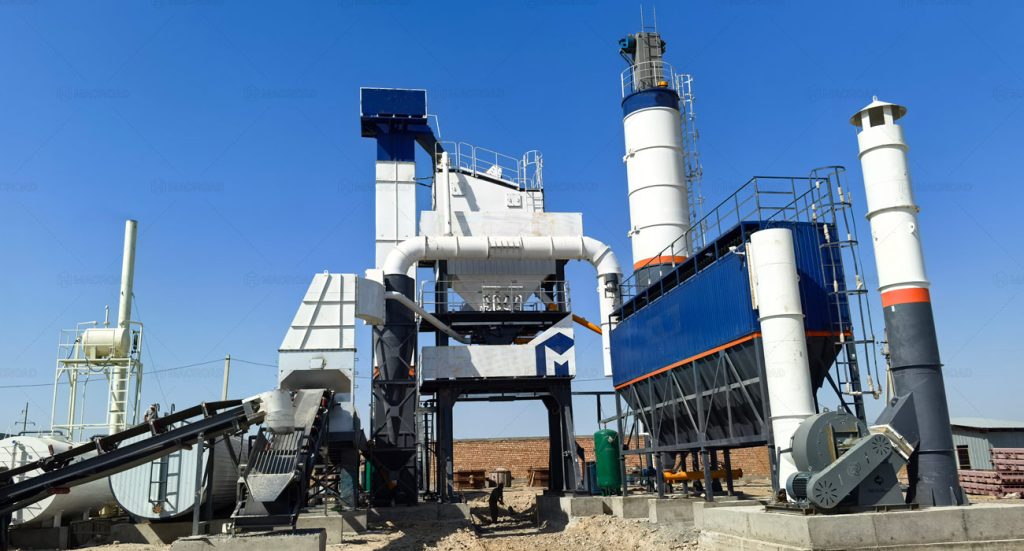
Another critical aspect of optimizing asphalt production lies in ensuring the quality of materials used. Hot mix plant manufacturers implement stringent quality control protocols that monitor the input materials throughout the production cycle. By establishing partnerships with reliable suppliers and conducting regular quality assessments, manufacturers can ensure that only the best aggregates and additives are utilized.
Utilizing high-quality inputs directly impacts the final product’s performance, significantly benefiting municipal road construction. Manufacturers often conduct tests on aggregates to evaluate their compatibility with different asphalt mixes, ensuring optimal binding properties and durability for the finished roads. This proactive approach prevents costly failures or repairs in the future, enhancing the profitability of projects.
Moreover, employing innovative techniques such as warm-mix asphalt technology can also optimize the quality of the hot mix while being environmentally friendly. Techniques that lower production temperatures reduce energy consumption, leading to cost savings that are passed on to buyers, thereby maintaining competitive asphalt plant prices. This balance between quality and cost-efficiency is crucial for manufacturers aiming to cater to the stringent requirements of municipal road engineering.
Implementing Effective Cost Management Strategies
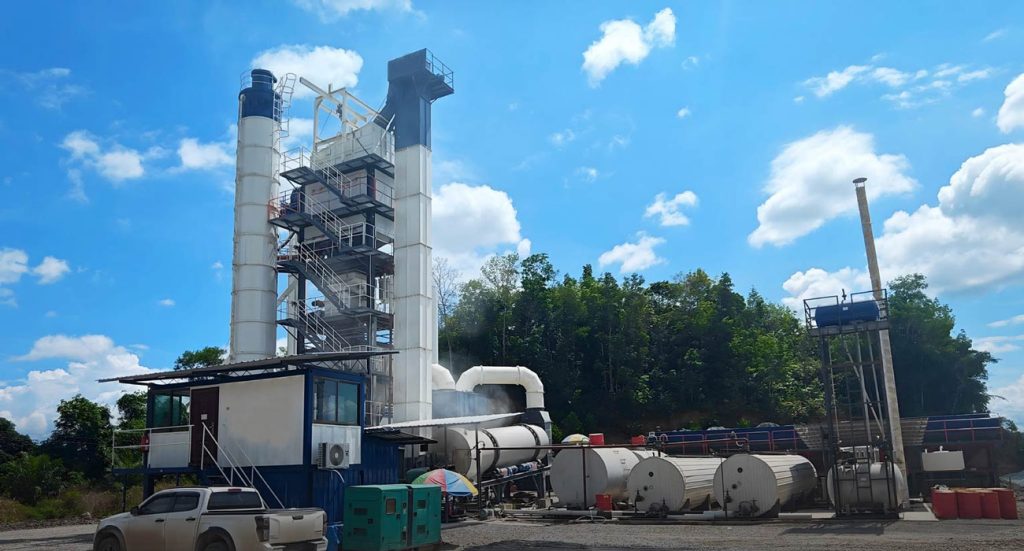
To ensure that the overall asphalt plant price remains competitive, hot mix plant manufacturers also focus on effective cost management strategies. One primary approach is minimizing waste through lean manufacturing practices. By optimizing workflow and reducing material waste during production, manufacturers can significantly lower their operational costs without sacrificing quality.
Additionally, manufacturers may adopt bulk purchasing strategies for raw materials. By acquiring materials in larger quantities, they can negotiate better pricing with suppliers, further reducing costs. This practice supports not just individual projects but also contributes to overall price stability for municipal projects, helping municipalities budget effectively.
Another aspect is continuous training and development for personnel involved in production. Well-trained staff are more capable of identifying inefficiencies and implementing improvements, which can lead to cost savings and enhanced productivity. Manufacturers that invest in workforce development recognize the long-term benefits of maintaining high-quality production standards in line with municipal needs.
Conclusion
In summary, hot mix plant manufacturers play a vital role in the municipal roads construction industry by optimizing key structural modules of asphalt production while managing overall asphalt plant prices. By streamlining design efficiency, enhancing material quality control, and implementing effective cost management strategies, manufacturers ensure the stable quality of hot mix asphalt mixtures essential for successful municipal road engineering. This balanced approach not only meets the demands of construction projects but also contributes to the sustainable growth of the industry. Through these efforts, manufacturers reinforce their commitment to quality, affordability, and reliability in asphalt production.